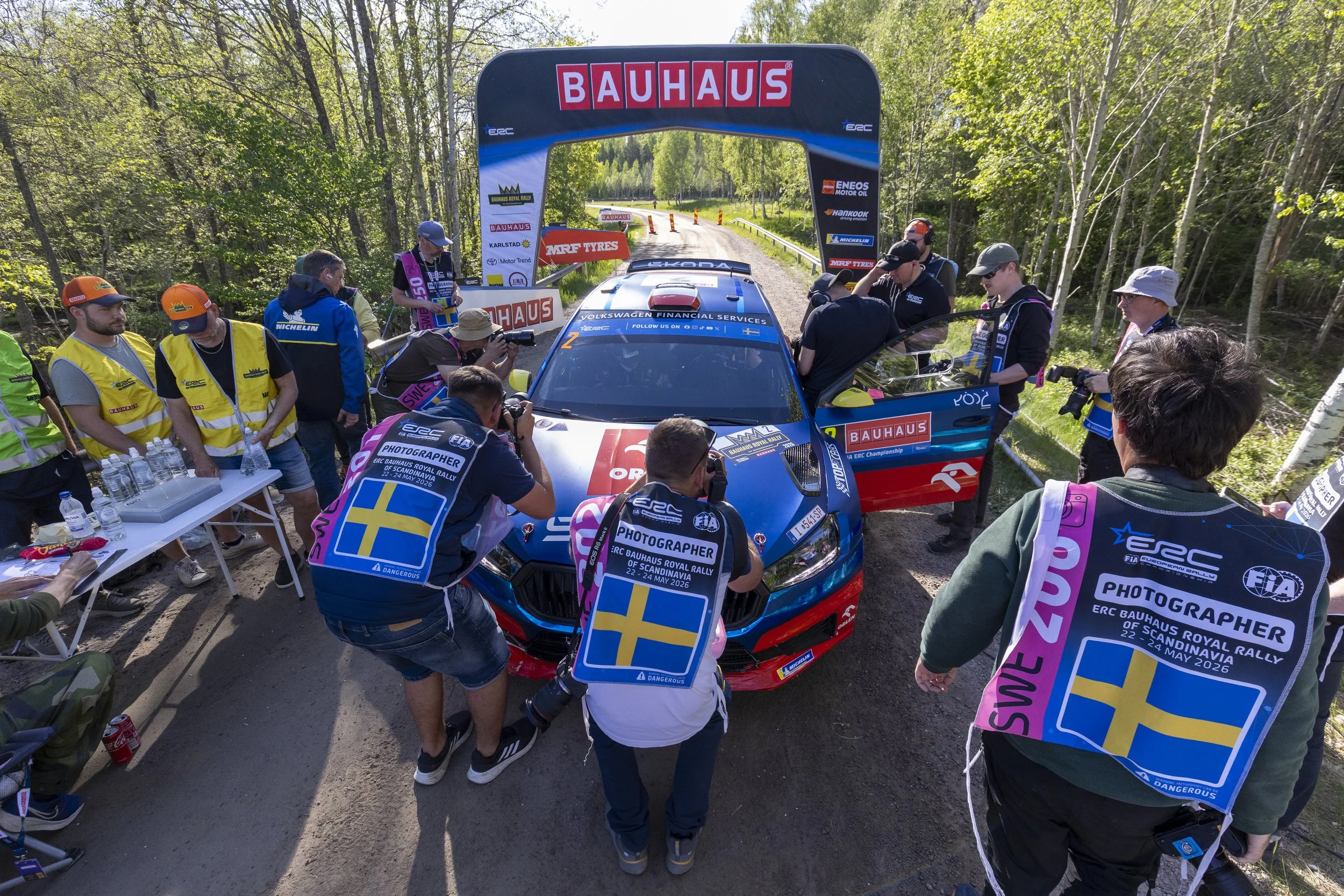
Being a photographer in the European Rally Championship requires a lot of competition with other photographers, but is also friendly as you are both competitors and colleagues with each other. Photo: Marco Rimola
People see the final photo.A rally car flying over Colin’s Crest, suspension fully extended, gravel spraying behind it, Swedish forest in the background.
What they usually don’t see is the photographer 45 minutes earlier, slightly sweating, carrying far too much gear, speed-walking through a forest while mentally calculating whether they have just made a terrible life decision. Because rally photography starts long before the first car. Not hours before, but days.The work begins with preparation. Maps, previous editions, stage layouts, possible access roads, weather forecasts, and then, most importantly, recce.
One or two days before the rally, you drive the stages yourself, ideally at roughly the same time the rally cars will pass, trying to understand where the light will fall, which corners might work visually, where spectators are likely to gather, and whether your carefully imagined shot is actually realistic.
Of course, rally has a sense of humour. Sunshine during recce can easily become rain on rally day, and a location that looked perfect two days earlier can suddenly lose all its magic. That unpredictability is part of the appeal, but also part of the challenge.
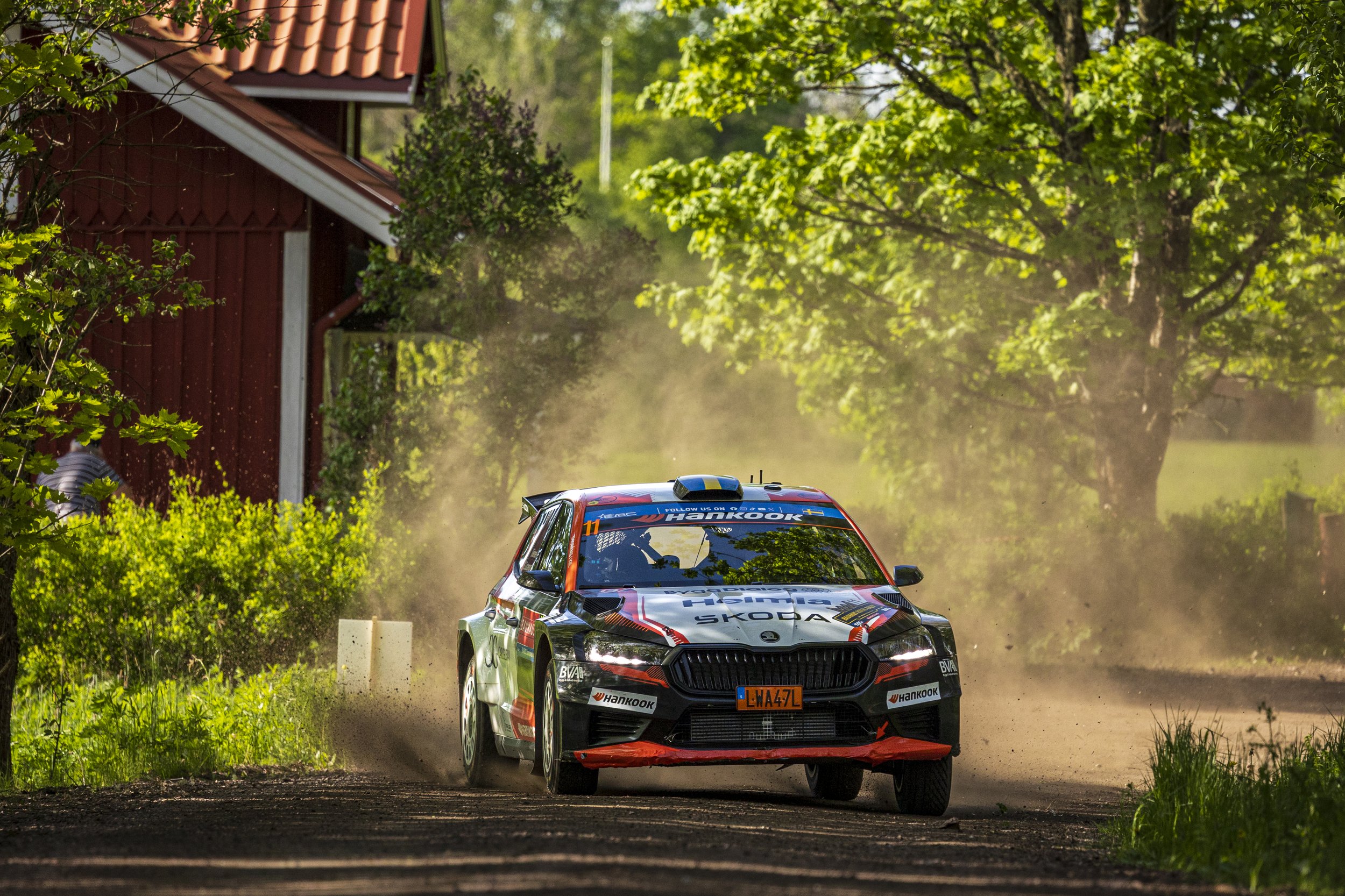
To get the beautiful pictures, there isn’t just find a spot and take photos. A lot of planning ahead is required, to find the best locations, access and having enough time to get to the next location. Photo: Marco Rimola
People often imagine rally photography as simply standing by the roadside and waiting for a fast car. In reality, it is a constant exercise in planning and logistics. Media access is governed by strict safety timings. Depending on the event, photographers may be allowed to drive on stage roads until 90 or 120 minutes before the first car, after which access becomes limited to walking routes until the final closure. If you are carrying additional equipment or setting up remote cameras, arriving late is not merely inconvenient—it can mean missing the opportunity entirely.
That is one reason why the BAUHAUS Royal Rally of Scandinavia stands out positively. Having covered many rallies, particularly in WRC, one thing I appreciated here was how well the event structure works from both a media and spectator perspective. The loop format and relatively manageable distances mean you can cover several passages without feeling that the entire day is spent repositioning by car. For spectators, this also makes the rally more accessible, with a realistic chance to experience multiple stages rather than committing the whole day to a single location.
The character of the roads also makes Royal Rally visually distinctive. Rather than the heavier dust conditions typical of some southern European gravel rallies, the Swedish stages feel closer in spirit to Finland or Estonia: fast, flowing gravel roads through forests, with jumps, lakes and the unmistakable Scandinavian countryside creating a very particular atmosphere. The challenges simply change. Less dust can be kinder to equipment, but the speed leaves far less time to react, and loose stones can quickly become expensive.What impressed me most this year, however, was not the roads, but the people.Värmland is a rally region. That becomes obvious very quickly.
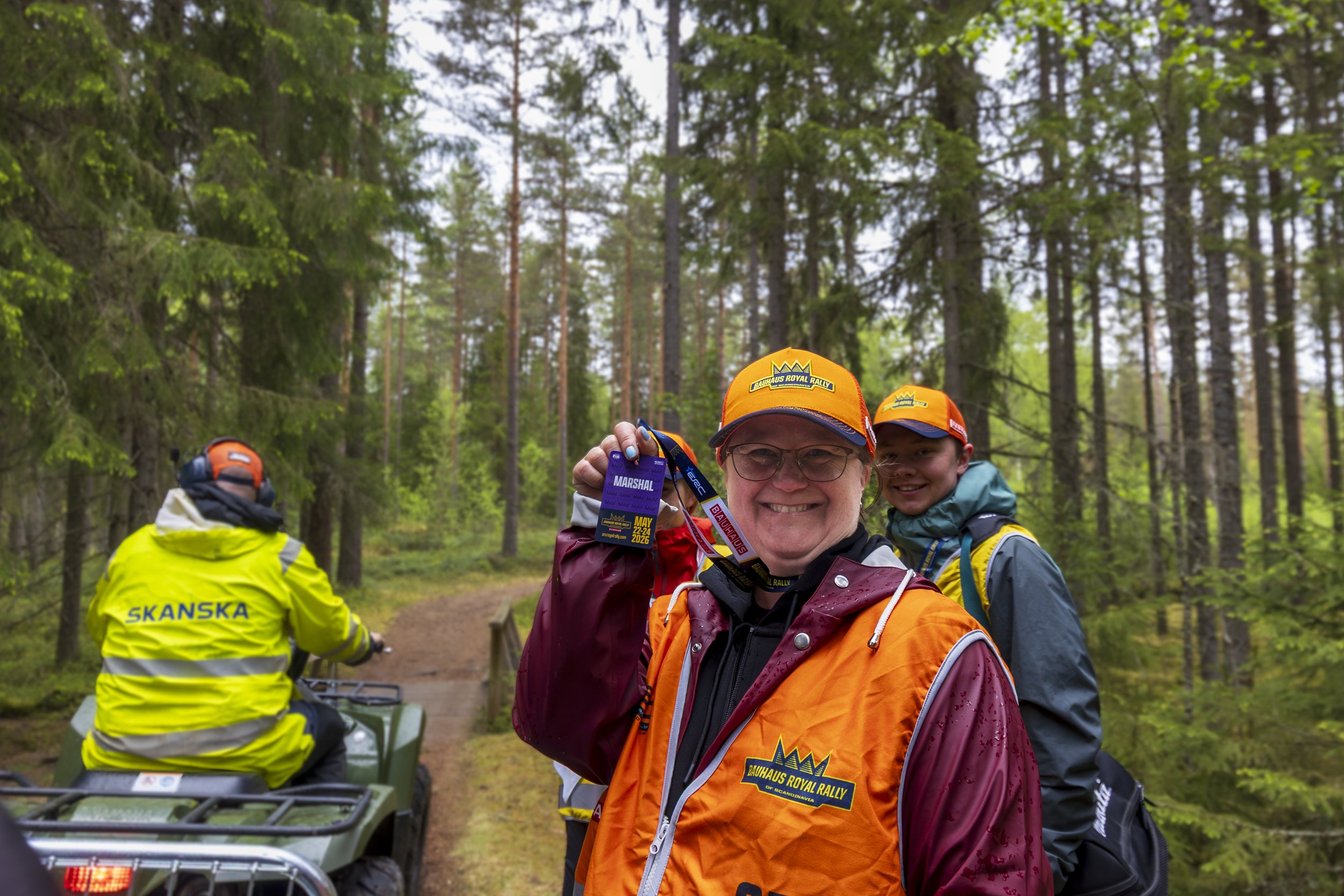
The Marshals in Royal Rally of Scandinavia 2026 were really friendly, yet not letting safety and security be at risk. Photo: Marco Rimola
Having worked at other events where interactions between marshals, media and spectators have sometimes felt unnecessarily tense, the friendliness here stood out. Safety was handled professionally and clearly, but without hostility. Marshals were approachable, volunteers enthusiastic, and the broader organisation—from parking to ticket control—worked smoothly in a way that genuinely improves the atmosphere for everyone. That is probably not accidental. This region spent decades living with Rally Sweden, and although losing the winter WRC event was a major disappointment, the rally culture clearly remains. Royal Rally may be a different event, but some of that experience and passion has carried over.
For media, that preparation also shows in practical details. Clear information is essential when covering a rally, and the event provided a strong media safety guide, including suggested photography locations that are particularly useful for photographers arriving without time for a full recce.No rally is perfect, of course. The forests remain the forests, and mobile reception was probably the biggest frustration of the weekend. Trying to transmit images quickly between loops sometimes became an exercise in patience, especially when deadlines were waiting.Still, one of the most rewarding aspects of covering Royal Rally was the variety. Working both for clients and for the event organisation meant the assignment extended beyond the traditional action shots. Rally photography, at its best, is not only about cars at speed. It is also about the wider story: the fans, the service park, the ceremonies, the volunteers, the atmosphere, and ultimately the emotions.
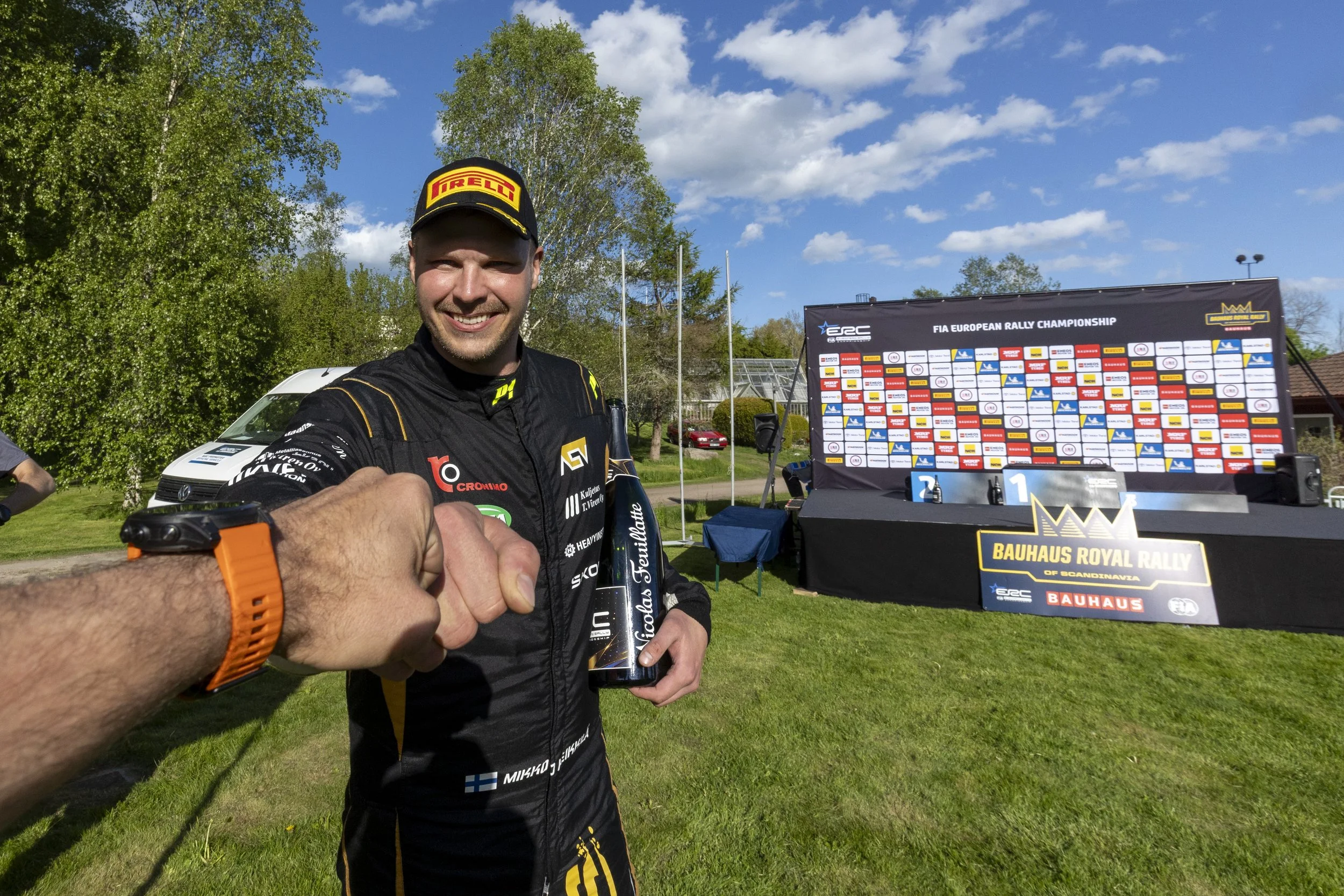
When the driving is over the drivers can relax a bit. And capturing those emotions with both relief and happiness is something extra. Photo: Marco Rimola
That final part may be the most memorable.The relief of a driver who simply made it to the finish without damage, the satisfaction of a crew finally getting the clean result they needed, the emotion of a podium, or simply the release of pressure after a demanding weekend. Colin’s Crest may be the image most people associate with Royal Rally, but for me, the finish line emotions often tell the stronger story.
As an Italian photographer living in Sweden, I first started covering the old Rally Sweden in 2015, when Värmland was still home to the winter WRC classic. Since then, I have expanded my work internationally, particularly after Covid, covering rallies abroad as well. That wider perspective makes comparison inevitable.Royal Rally is smaller than WRC, naturally, and perhaps still deserves larger crowds than it currently attracts. But what it already has is something that cannot easily be manufactured: authenticity. It still feels like a place that genuinely loves rallying.And for a photographer, that makes all the difference.
Written by: Marco Rimola